Satellites & SSTV
Tracking passes, following Doppler shift, and receiving images from space. Decoding ISS SSTV images has been one of my favorite station experiments.
A little curiosity.
A world of signals.
I'm Mike. Welcome to my corner of amateur radio—satellites, digital modes, antennas, and the satisfaction of getting a signal through.
My station centers on an Icom IC-706MKIIG, with a DigiRig interface for computer-based radio work. I enjoy trying different modes, working through the setup, and learning what makes a station perform better.
My Kenwood TM-D710A handles mobile VHF/UHF and APRS. A directional antenna, a handheld, or a portable battery takes the hobby from the shack into the field.
Some of the parts of the hobby that keep me coming back to the radio.
Tracking passes, following Doppler shift, and receiving images from space. Decoding ISS SSTV images has been one of my favorite station experiments.
Working with packet radio, position reporting, and computer interfaces. My experiments include Dire Wolf, PinPoint, and a BTECH UV Pro.
Horizontal polarization, careful listening, and a directional antenna. Two-meter SSB and digital modes offer plenty of room to experiment.
Three captures from October 25, 2026, decoded in Nexus using Robot 36.
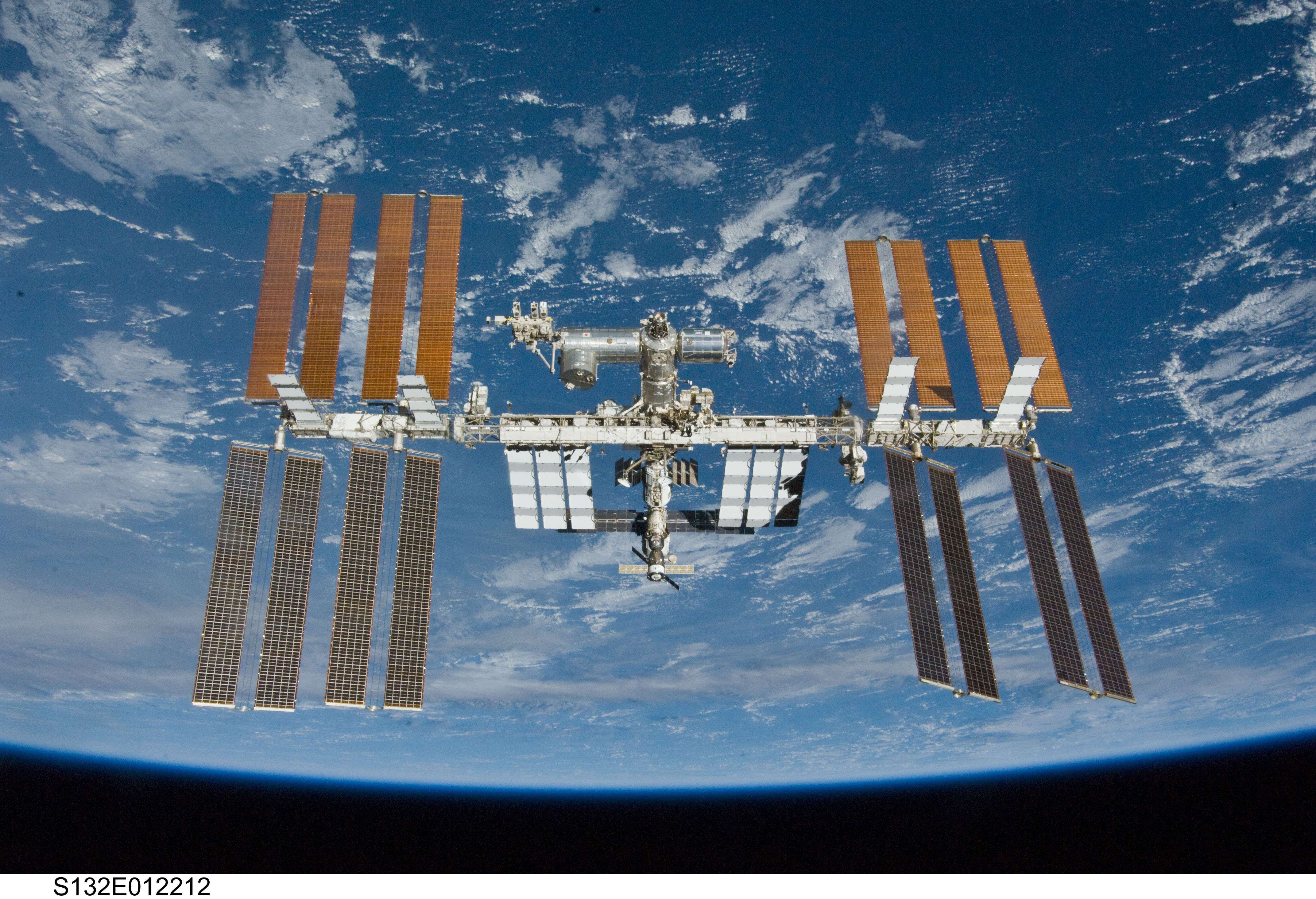
Slow Scan Television (SSTV) sends still pictures over radio using audio tones. During scheduled amateur-radio SSTV events, the International Space Station transmits images that listeners on Earth can receive and decode with a radio and software. You don’t need an amateur-radio license to receive these images in the United States—just suitable receiving equipment and decoding software.
The images below were received at my station, KM7ADM in Mesa, Arizona, as the ISS passed overhead. Noise or missing lines reflect changing reception conditions during the pass—part of the challenge of receiving pictures from space.
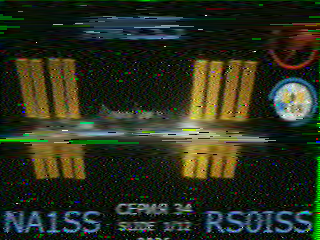
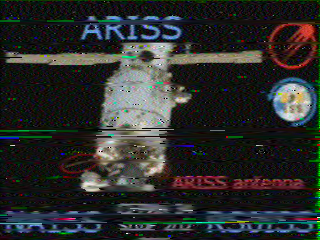
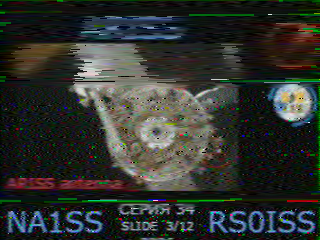
Click any image to open the original 320 × 240 capture. Times are taken from the saved filenames; Arizona MST is UTC−7.
SDR captures and interesting recordings from my radio experiments.
A place to share the sounds behind the hobby—from unusual signals to memorable moments on the air. As recordings are added, you’ll be able to listen right here.
Exploring a six-meter dipole for FT8, portable Yagi setups, and the practical differences between vertical and horizontal antennas. Small changes in placement and setup can make for useful experiments.
My portable setup includes a 30 Ah LiFePO4 battery and folding solar panel. The goal is a station I can take into the field without depending on an outlet.
Audio levels, radio control, and PTT all have to work together. I use my Icom and DigiRig setup to explore APRS, SSTV, FT8, and other computer-assisted modes.
Quick links for station lookup, packet activity, satellite information, and space weather.
Personal amateur radio website of Mike · KM7ADM